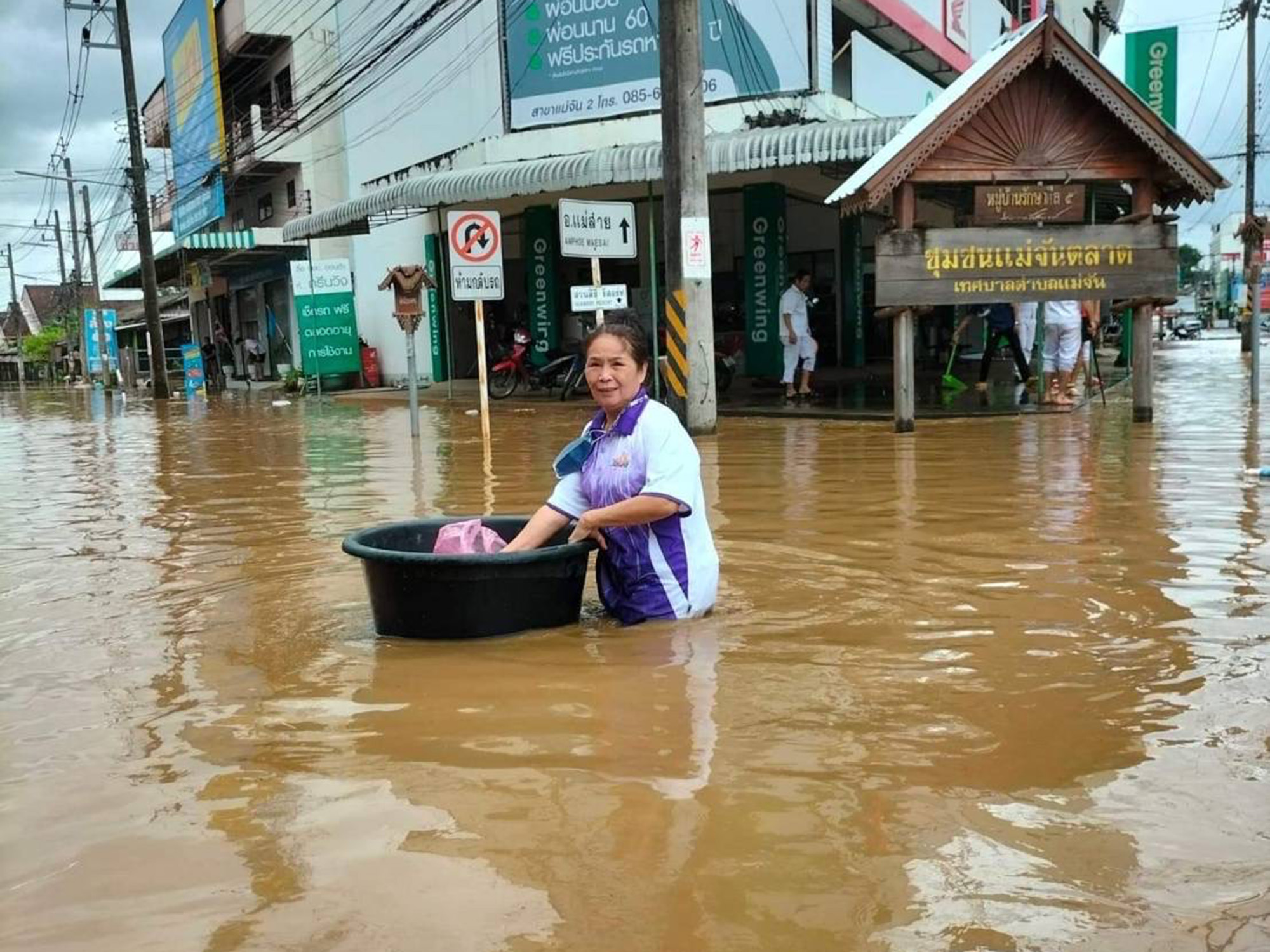
Recipes for Disaster is a handbook that brings together narratives about cooking and eating during the aftermath of disaster events. Along with stories, the handbook features recipes that readers can recreate at home.
Food is a central part of the story of any disaster. In the immediate aftermath, communities must adapt to new and often precarious living situations, find ways to be creative with few ingredients, and grapple with the trauma of losing their homes, friends and family. Cooking and eating become a way to come together, to show care and to start the process of recovery. Community members, often women, modify recipes and work with limited ingredients to feed their families and communities.
After a disaster, gathering over food becomes a radical act of community resilience. But these moments - and the people that enable them - are rarely highlighted in narratives of disaster recovery. Through Recipes for Disaster we seek to shed light on these hidden stories and bring new protagonists to the fore.
Project Intentions
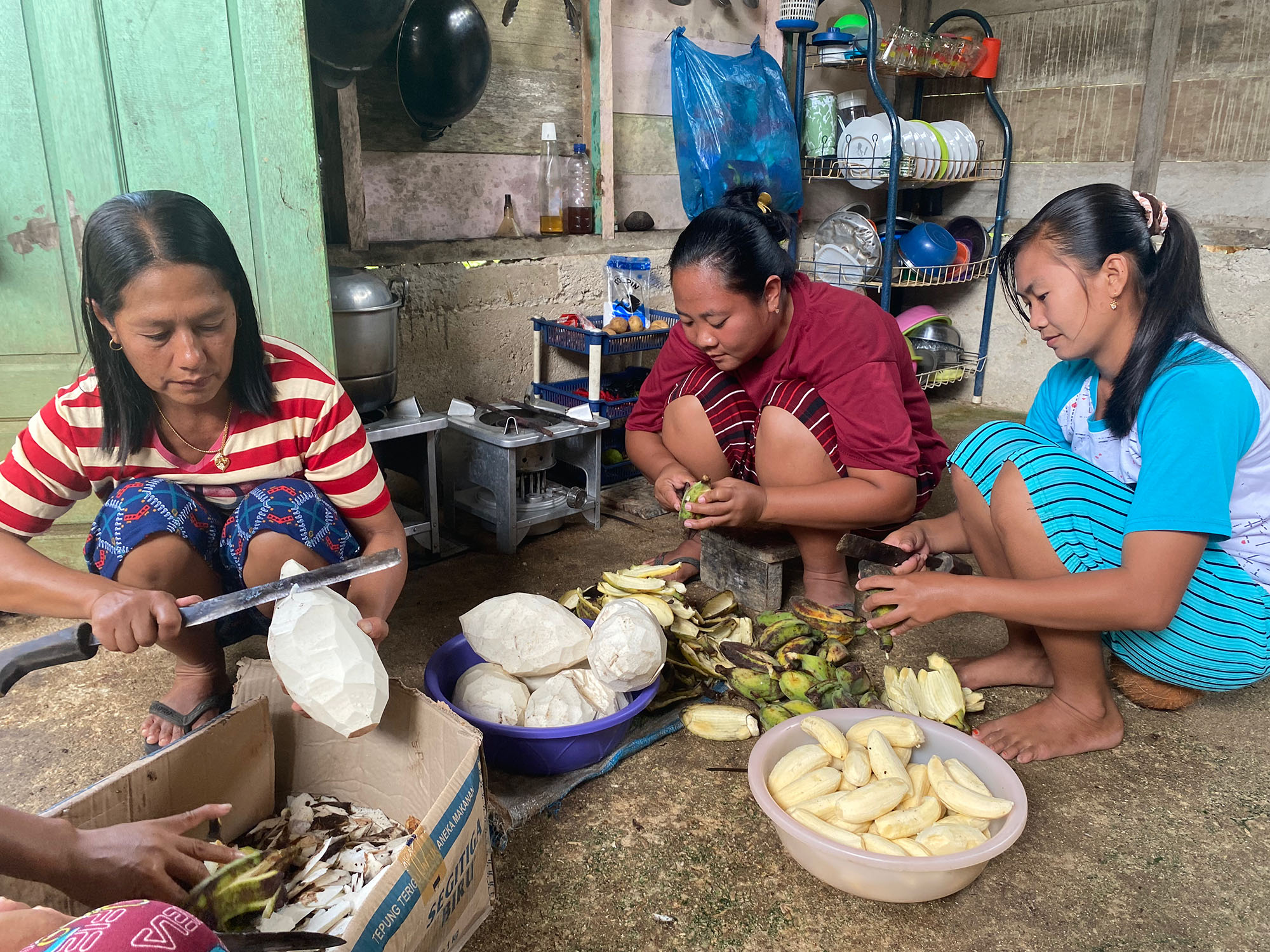
Recipes for Disaster highlights the vital role that women and girls play in repairing the social fabric of a community after a disaster. By examining disaster recovery through the lens of food, we aim to emphasise the importance of an ethic of care, to shed light on the gendered experiences of disaster, and to celebrate those whose praises often go unsung.
The choice of the word ‘recipes’ in
Recipes for Disaster can be debated but it is intentional for this project. Using recipes to cook food is a class-specific phenomenon, which often relies on having easy access to a wide range of ingredients, and the luxury of time in order to follow structured prescriptive steps in order to prepare a meal. In many post-disaster contexts, people are struggling to survive and feed themselves and their families, and they are often dealing with scarce, precarious and monotonous food supplies. For people in these dire contexts, the idea of understanding food through the lens of ‘recipes’ may therefore feel inappropriate. As such, the word ‘recipes’ in this project is considered in a broader sense of the word. Not so much as strictly food recipes, but as a figure of speech indicating things coming together – a way of referring to the entanglements of actors, conditions, actions, and intentions that amalgamate as stories of disaster recovery unfold. The
Recipes for Disaster project
intends to map these assemblages in order to tell a fuller, more complex, and less familiar story of resilience, community, and recovery.
Project Approach
In collecting stories and recipes, the project team took a decentralised approach whereby researchers who were familiar with the context of each project site worked with community members to gather stories and recipes. This approach allowed to mitigate potential linguistic and cultural barriers while the team centred and prioritised existing relationships and affinities. It also meant that the stories and recipes collected from each site reflect the unique context therein.
The three chosen sites vary not only in terms of their geographical and cultural context, but also in terms of the type of disaster that occurred (e.g. tsunami vs. typhoon vs. flooding), the type of support that was available during recovery (e.g. international aid, local governmental aid, informal community-driven mutual aid), and the timeline of the recovery process. As such, these stories illustrate the range of different experiences faced by people during disaster recovery while shedding light on emergent threads of convergence and commonality.
Our three partner researchers each leveraged their networks in order to arrange a multi-day visit to the site of a recent disaster event:
1. Dr. Pamela Cajilig went to San Vicente, Palawan, Philippines, which was affected by Super Typhoon Rai (Odette) in December 2021;
2.
Dr. Juniator Tulius went to Sipura, Mentawai Islands, Indonesia, which was affect by a tsunami in 2010;
3. Ms. Charida Jitwongwai went to Chiang Rai, Thailand, which was affected by floods in 2014.
The researchers gathered stories from community members about their experiences of these disaster events, inquiring especially into the processes and strategies they employed in order to feed themselves during the disaster recovery period. They recorded their conversations with community members - gathering stories, quotes, and recipes about the food they ate, how they procured and prepared the food, who played an important role in feeding the community, how (if at all) food aid featured, and what food-related memories they still retain.
Ethical Risks, Considerations & Commitments
There are numerous potential ethical risks associated with a project like Recipes for Disaster. The project team discussed these risks at length in order to mitigate them.
The intention was to use the lens of food and recipes in order to elevate and make visible the crucial role that women and less commonly celebrated people play in disaster recovery. In so doing, the team aimed to ensure that the project a) was not extractive, and that all who contributed to the project were compensated fairly for the value they added, and b) did not romanticise or trivialise people’s harrowing and traumatic post-disaster experiences by looking at them through the lens of food.
With this in mind, the team decided upon the following ethical principles to guide the work:
- Transparency: Information about the project (background, budget, people involved, etc.) was transparently shared with all members of the core project team. Through doing so, the team prioritised transparency between all parties.
- Sensitivity: Research partners conducted their research with community members with the utmost cultural and contextual sensitivity in mind. They prioritised building trust and deepening relationships over gathering specific information. They utilised a trauma-informed approach to asking questions and gathering stories and recipes.
- Dialogue: Within the core project team, all members were asked to contribute their perspectives, ideas, and opinions. During decision-making, the team aimed to ensure that all voices were given equal weight, power, and consideration, and that everyone was treated with respect and dignity.
- Equity: All research partners, and communities were compensated for their contributions.
- Reflexivity: The core project team centred considerations of power in all stages of the project. By examining and explicitly acknowledging each of our own positionalities, the team strove to mitigate and resist the replication and perpetuation of colonial power dynamics during our work (both with one another and with the communities).
The Team
Recipes for Disaster is an initiative by the Community Engagement Office at the Earth Observatory of Singapore. The project was first inspired by
Principal Investigator and Associate Professor David Lallemant from the Asian School of the Environment. Since his initial spark of inspiration, the project has brought together a range of collaborators who have each contributed to its creation.
Main contributors
- Kei Franklin: Project Coordinator. Kei is a writer, facilitator, coach, and artist working at the intersection of culture and the environment. Central to her practice is the belief that the power dynamics that sustain broad systems of injustice are reflected in our relational lives. Any meaningful change, therefore, must involve intervention in the inter- and intra-personal realm.
- Dr. Pamela Cajilig: Partner Researcher & Project Advisor. Pamela is a design anthropologist working at the intersection of disaster, climate change, community health, and women’s rights. Pamela believes that the lived experiences and voices of those most affected by contemporary crises should be central to designing products, services, and programs that contribute to bringing about social justice. This belief drives her participation in Recipes for Disaster.
- Dr Juniator Tulius: Partner Researcher. Juniator is a Research Fellow at the Earth Observatory of Singapore. He is an anthropologist who obtained his PhD from Leiden University in the Netherlands in 2012. His academic focus was on the roles and functions of oral tradition with regards to current conflicts over land in Mentawai Islands in Indonesia.
- Ms. Charida Jitwongwai: Partner Researcher. Charida was at the time of project working as a full-time trader residing in Phuket. Previously, she held the position of Assistant Manager in Relationship Management at the Earth Observatory of Singapore, before relocating to Phuket where she became the President of Phuket Disaster Resilience Foundation.
Acknowledgments
This project was made possible by many thoughtful, skillful, and generous people who contributed their perspectives, advice, experiences, knowledge, connections, time, and wisdom:
- Associate Professor David Lallemant whose initial inspiration and ideas birthed this project.
- Dr. Lauriane Chardot who leads the Community Engagement Office with intentionality and skill and who acted as a crucial sounding board and co-creator of this project.
- Community members from a) San Vicente, Palawan: Minda Ponce-Rodriguez, Perlits and Noralyn Yayen, Junalyn Pangilinan, Ms. Thelma, Jan Paul Rodriguez, Princess Mae Selim, Minda B. Ponce, Jerry Lasaca, Maribel Cainos b) Sipora, Mentawai Islands: Village Head of Bosua Village of South Sipora District, Villagers of Bosua Village of South Sipora District, Santono Samangilailai, Julianus Waoma, Saragina Samaloisa, Juradis Tasilippet, Baniar Taikatubutoinan, Karta Sakerebau, Jainar Samangilailai, Rosita, Mersi, Erda, Dewi Elsa, and c) Mae Chan, Chiang Rai: Mr Nakhon Khampie, Miss Alisa Chaichomphu (Sai), Miss Jattakarn Somdaen (Tik), Miss LaOng Tiyapairach, Miss Orapin Kant (Maeluang Ton), Mr Seksan Chanthiratikul, Mr Samroeng Ranpoh, and Assistant to Miss LaOng Tiyapairach who shared their stories and recipes with generosity.
- Sanjana Tadepalli whose perspectives and ideas were foundational to the early iterations of their project.
- Dr. Nota F. Magno whose expertise and generous sharing helped us articulate the initial conceptual frames for this project.
- Feroz Khan, Dr. Christina Widiwijayanti, Dr. Maricar Rabonza, Dr. Sabine Loos, Dr. Patrick Daly, Dr. Lin Thu Aung, and Dr. Phyo Maung Maung who shared valuable insights, perspectives, and advice which helped us shape our project approach and ethical considerations.
- Elizabeth Wong who supported many of the vital administrative aspects of the project.
Read the stories and recipes of each site below
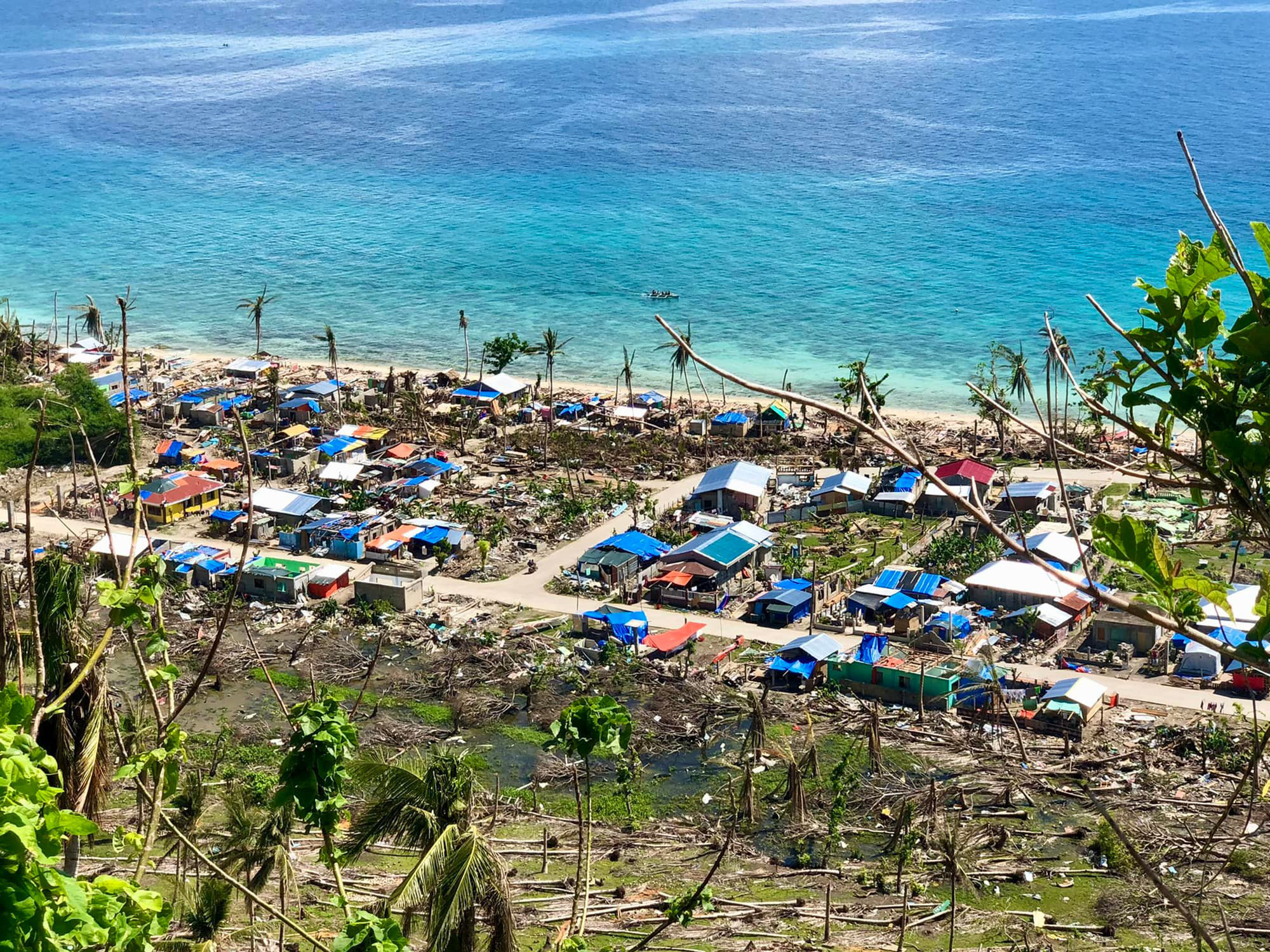
With power outages and damaged homes, people relied on food that could be prepared without electricity and shared staples with neighbours as recovery began. Dr Pamela Cajilig tells these stories of resilience and highlights some recipes that were adapted during that time. Read here.
After the 2010 Mentawai earthquake and tsunami, survivors on Sipora Island spent the first days searching for missing people and salvaging what they could. Before official aid arrived, neighbours supported one another, and women cooked communal meals. Dr Juniator Tulius interviewed local communities to capture this process and associated stories that unfolded in the immediate aftermath of the earthquake and tsunami. Read here.
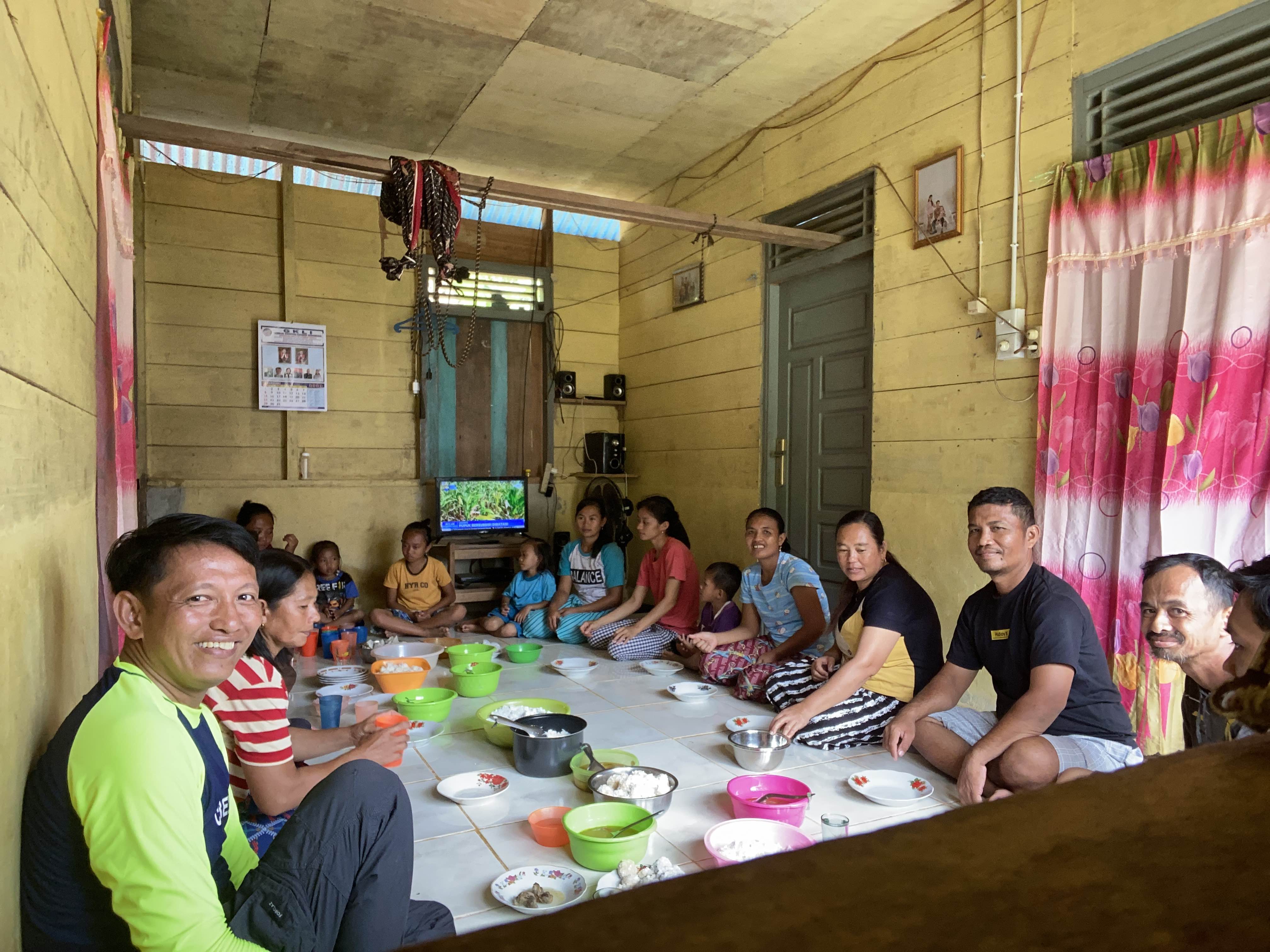
During the 2014 floods in Chiang Rai, food was an important part of how the community responded to the disaster. As floodwaters rose, local women organised to cook and distribute meals, choosing recipes that were quick to prepare and suitable for feeding many households. Charida Jitwongai interviewed these women and collected some of their stories and recipes. Read here.